
Prepare to Make a Difference as a Professional Counselor with an MA in Clinical Counseling
Are you interested in pursuing a career in clinical counseling and helping individuals who are struggling with mental health challenges? The Master of Arts in Clinical Counseling program at Columbia International University offers professional training in clinical counseling within a biblical worldview, so you can provide Christlike therapeutic relationships for healing and growth. This program is accredited by the Council for Accreditation of Counseling and Related Educational Programs (CACREP) which ensures that the program meets national standards for counselor preparation. The educational model seeks to balance personal and spiritual development, professional knowledge and research and effective interpersonal and clinical skills.
The Masters of Arts in Clinical Counseling degree prepares you to work as a licensed professional counselor, providing you with a comprehensive understanding of counseling theories and techniques, assessment and diagnosis and ethical and legal considerations in counseling. You will also receive training in multicultural counseling and trauma-informed care. Additionally, you will have opportunities to participate in supervised clinical experiences in community agencies or private practices, which will help you develop the necessary counseling skills for your future profession. With this degree, you will be able to help individuals overcome life’s challenges by addressing their emotional, mental and spiritual needs.
Bailey Colquitt, Hannah Friar, Ryan Chitwood, and Abby Salazar
Why Choose Columbia International University
As you consider pursuing an Master of Arts in Clinical Counseling at Columbia International University, here are some important points to keep in mind:
- The program is accredited by CACREP for clinical mental health counseling, which ensures that it meets the highest standards in the field and is also accredited by both the Southern Association of Colleges and Schools and the Association for Biblical Higher Education.
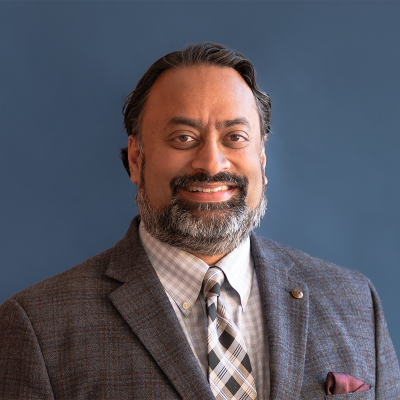
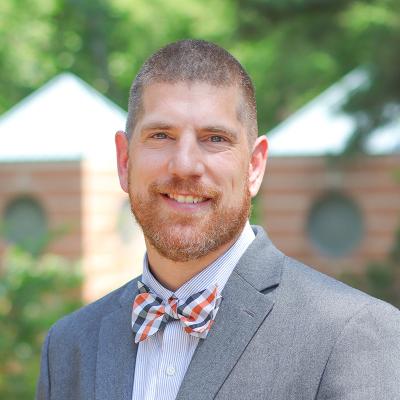
- Our faculty members are not only experts in the field of counseling but are also passionate about what they do and dedicated to helping you succeed in your career.
- In this MA in Clinical Counseling, you will be prepared to address different worldviews and treat a broad range of clinical disorders, which will help you become a well-rounded and effective counselor.
- We believe that faith is an essential aspect of counseling, and our program emphasizes the ethical and effective integration of faith into professional practice.
- Our educational model is designed to provide a balance of academic excellence, personal and spiritual development, professional skill development and counselor identity formation, which will help you grow in all areas of your life.
We understand that finding the right practicum and internship site is crucial for your success, and we offer personalized assistance to help you find the right fit for your interests and goals.
Program Mission Statement
The Mission of the Clinical Counseling Program is to offer professional training in clinical mental health counseling within a biblical worldview, in order to provide Christ-like therapeutic relationships for healing and growth.
Program Objectives
Over the course of a three-year cycle, our assessment process reviews our program from three perspectives: Professional Identity, Professional Competence and Program Area (CMHC), and Overall Program Balance.
- Assessment Cycle Year #1: Professional Identity reviews the common core domains set out in the 2016 CACREP Standard Section 2.F.1-8 (professional counseling identity).
- Assessment Cycle Year #2: Professional Competence and Program Area reviews the domains set out in CACREP Standard Section 3.F-M (professional practice: practicum and internship) and CACREP Standard Section 5.C.1-3 (program area: Clinical Mental Health Counseling).
- Assessment Cycle Year #3: Overall Program Balance reviews the overall program from the perspectives of Academic Excellence (“Head”), Spiritual Life Formation/Religious Development (“Heart”), and Professional Skills Development (“Hands”). These perspectives reflect our corporate educational triad as well as our commitment to developing the whole person through the non-academic and character virtues of Faith, Hope, Love, Wisdom, Justice, Temperance, and Courage.
- Our full outcomes and objectives are listed in our Systematic Program Assessment Process Plan.
Clinical Counseling Program Outcomes
- Number of graduates in 2023: 26
- Completion rate: 90%
- Licensure or certification examination pass rate: 94%
- Job placement rate of students/graduates: 100%
View the 2022–23 CACREP Annual Report for CIU.
Overall Benefits of the Degree
If you are passionate about helping others overcome life’s challenges and want to provide Christlike therapeutic relationships for healing and growth, then the MA in Clinical Counseling program at Columbia International University is the perfect choice for you. This CACREP-accredited master’s degree in clinical mental health counseling is designed to prepare you for a fulfilling career as a professional counselor who can address the needs of the whole person. By studying within a biblical worldview, you will learn how to effectively integrate faith into professional practice and provide ethical and effective care for the emotional and spiritual needs of others.
The faculty are professional, passionate and personal, and they are actively engaged in the counseling field, bringing real-world experience and insights into the classroom. You will gain a well-rounded education, with a balance of academic excellence, personal and spiritual development, professional skill development and counselor identity formation. You will also have access to personalized practicum and internship site placement assistance, which will give you the practical experience you need to be successful in your career. In addition, the program’s accreditation by both the Southern Association of Colleges and Schools and the Association for Biblical Higher Education ensures that you will receive a quality education that meets rigorous academic standards. With this degree, you will be equipped to treat a broad range of clinical disorders, address different worldviews and make a real difference in the lives of your clients. By pursuing an MA in Clinical Counseling at CIU, you will be investing in your future and making a positive impact on the world around you.
Featured Faculty
What Will I Study?
- CNS 5305 Applied Biblical Foundations of Counseling
This course is the application of the biblical texts to clinical mental health counseling and marriage and family therapy that utilizes a Christian perspective sensitive to multicultural settings. This course will orient students to basics in the interpretation of biblical data, the biblical narrative relevant to counseling, and how to apply these concepts when providing Christian-oriented counseling services to clients. Students will learn how to contextualize the biblical narrative for clinical practice within a Christian population.
3.00 credit hours
- CNS 5306 Foundations of Clinical Mental Health Counseling
This course is an introduction to the history, philosophy, roles, and functions of mental health counseling within the context of other mental health professionals, mental health services, systems, and programs. This includes the principles of mental health for prevention, intervention, consultation, education, and advocacy in a multicultural society. A key focus of the course is how the biblical texts and Christian traditions of soul-healing provide perspectives on human nature, suffering, and redemption to develop a model of clinical mental health counseling consistent with students' own biblical worldview.
3.00 credit hours
- CNS 5313 Personal and Spiritual Development
This course emphasizes personal and spiritual well-being and growth within the context of professional development as a clinical mental health counselor and/or marriage and family therapist. To this end, students will be asked to personally engage in a psycho-educational process of self-care and self-understanding through readings, reflection papers, and assessments. Spiritual development will be encouraged through a biblical understanding of and connection with God and His transformational processes, such as spiritual disciplines and connection to others through a weekly small group. The student's professional impact and ministry will be developed as a natural outgrowth of their active engagement with these processes of development. Additional fee for assessment materials.
3.00 credit hours
- CNS 5342 Foundations of Marriage, Family Counseling
This course provides students with an overview of God's design for developing and maintaining meaningful relationships. His design includes four foundational areas which include: 1) Receiving God's love as the starting point for all other relationships; 2) Finding one's true identity as God's workmanship; 3) Loving others as we have been loved by God; and 4) Using what was learned from the first three areas to connect well in personal and professional relationships. In order to establish a paradigm from which to work with couples and families, students will be introduced to family therapy models and will receive practical resources for getting started. Couples and families are viewed in the context of larger influential systems which have their own cultural and community distinctiveness.
3.00 credit hours
- CNS 5075 Multicultural Counseling 3.00 credit hours
- CNS 5310 Counseling Theory 3.00 credit hours
- CNS 5330 Professional Orientation and Ethics
In this course, students study the practice of professional counseling within the context of ethical and legal standards and potential future directions of the field. Information about legal responsibilities and liabilities in the practice of marriage and family therapy is also covered, including research, family law, confidentiality issues, and codes of ethics. The course focus is on the following four areas: Models of ethical decision-making are presented and practiced through case presentations; ethical standards that govern the professional practice of counseling and marriage & family therapy are studied and integrated with personal, theological, and cultural values and professional and legal standards; legal standards that impact the field of professional counseling and marriage & family therapy are examined in light of the realities of daily practice; and the future direction of counseling and marriage & family therapy as a profession and ministry is explored.
3.00 credit hours
- CNS 5410 Research, Statistics, and Evaluation
This course provides an advanced understanding of research statistics, report development, implementation, program evaluation, needs assessment, and ethical and legal considerations. The course also will focus on research methodology, data analysis, and the evaluation of research. Students apply this understanding in a variety of venues such as clinical mental health counseling and research, marriage & family research, and research that needs to be done within the religious community. Students will be introduced to research as it is conducted for single-subject designs, experimental/quasi-experimental designs, and system-oriented designs. Both quantitative and qualitative processes are explored. Students conduct literature review and produce a research proposal.
3.00 credit hours
- CNS 5420 Psychopathology
This course provides an understanding of mental illness with focus on the behavioral manifestations, experiential dynamics, and relational/family impact of these disorders. Study is done in the most current Diagnostic and Statistical Manual of Mental Disorders (DSM) in order to learn the categories of symptoms of psychopathology necessary to diagnose and treat mental disorders. A variety of perspectives on psychopathology are presented to form a whole-person (or bio-psycho-social-spiritual) and systemic context for understanding. Students are challenged to determine theologically what they believe are the standards for pathology and how these correlate with the DSM.
3.00 credit hours
- CNS 6310 Human Growth and Development
This is a course in applied developmental counseling. Drawing from the biological, cognitive, socio-emotional, and spiritual markers set forth by the major theories of human growth, students will be able to conceptualize the needs of their clients within a developmentally-appropriate framework. Personal exploration of one's own developmental process is built into course assignments. Consideration is also given to the process of spiritual transformation as an integral part of the Creator's design for growth.
3.00 credit hours
- CNS 6410 Counseling Techniques 3.00 credit hours
- CNS 6430 Assessment
This course presents students with an understanding of the psychometric theories and practical approaches concerning the assessment of individuals, couples, and families, while equipping the student with the skills and competencies necessary to incorporate assessment strategies into the helping process. Assessment, including marriage and family therapy methods and major mental health assessment methods and instruments, are covered. Focus is placed on information-gathering methods, evaluating test validity and reliability (controlling for factors that may influence assessment results), and application of assessment practices as an integral part of counseling and marriage & family therapy. Additional fee for assessment material.
3.00 credit hours
- CNS 6440 Groups
This course is an introduction to the theory and practice of group counseling. The process of doing groups and the application of the group process to a variety of settings and situations is discussed. The counselor as a group leader is emphasized. The class relies heavily on the component of a psycho-educational group experience, both as a group member and co-leader.
3.00 credit hours
- CNS 6620 Treating PTSD, Acute Stress, Grief, & Trauma 3.00 credit hours
- CNS 6810 Career Development
This course introduces students to career development theory and its application. Students will have the opportunity to learn the history of and current trends in career development counseling. Students will be offered training in the use and application of career counseling strategies, assessment tools, and resources (including web-based resources). Students will also learn about the relationship between work and mental health, career development across the lifespan, and issues with diverse populations, as well as ethical issues and competencies for professional practice. Additional fee for assessment materials.
3.00 credit hours
- CNS 6912 Advanced Counseling Technique and Practicum 3.00 credit hours
- CNS 6931 Internship 1
This course consists of two components: (1) A 300-hour supervised practice of counseling under the direct clinical supervision of a site supervisor in an approved counseling internship setting, of which at least 120 hours must be direct services to clients, and (2) weekly seminars that include faculty instruction and small group case discussion. The clinical practice emphasis is on assessment, diagnosis, and treatment of various disorders and how they affect individuals, couples, and families. This course will utilize formal case presentations, student and instructor feedback, and didactic instruction. Case consultations will focus on enhancing students' competencies in assessment and diagnostic interviewing, case conceptualization, cultural contextualization, goal setting, treatment planning, counseling skills, and case management. (Satisfactory/Unsatisfactory). Additional fee for technology use. Small group section enrollment is limited to 12 students.
3.00 credit hours
- CNS 6932 Internship 2
This course consists of two components: (1) A 300-hour supervised practice of counseling under the direct clinical supervision of a site supervisor in an approved counseling internship setting, of which at least 120 hours must be direct services to clients, and (2) weekly seminars that include faculty instruction and small group case discussion. The clinical practice emphasis is on assessment, diagnosis, and treatment of various disorders and how they affect individuals, couples, and families. This course will utilize formal case presentations, student and instructor feedback, and didactic instruction. Case consultations will focus on enhancing students' competencies in assessment and diagnostic interviewing, case conceptualization, cultural contextualization, goal setting, treatment planning, counseling skills, and case management. (Satisfactory/Unsatisfactory) Additional fee for technology use. Small group section enrollment is limited to 12 students.
3.00 credit hours
- CNS 6011 Sexuality Counseling
This course addresses the biological, developmental, relational, emotional, behavioral, and spiritual issues involved in understanding human intimacy and sexuality. You will learn how to integrate basic diagnostic and evidence-based treatment skills with authentic Christian beliefs and practices.
3.00 credit hours
- CNS 6220 Cross-Cultural Counseling Applications
This course is designed to increase your understanding of various ways to use clinical care and knowledge from the mental health professions in member care. You will consider ethics, professional relationships, influence of untreated pathology on the community, and various personal, interpersonal, and systemic dynamics. You will explore Biblical, spiritual, and psychological underpinnings, as well as types of clinical resources, referral procedure, and collaboration with clinical service providers.
3.00 credit hours
- CNS 6404 Short Term Counseling
You will learn the basic model common to short-term cognitive therapies and its application to treating dysfunctional emotions and self-sabotaging behaviors. You will learn cognitive, behavioral, and emotive interventions as well as techniques to help prevent relapse. You will also consider how to integrate your client's faith/spirituality with the basic model and interventions.
3.00 credit hours
- CNS 6431 Assessment and Treatment of Childhood Disorders
This course introduces students to developmental, self-regulation, and systems perspectives used to understand, diagnose, and treat disorders of childhood and adolescence. Students will gain an understanding of the normal and abnormal developmental issues of children, the process of mastering self-regulation throughout development in various domains, the impact of relational dynamics within various systems (family, school, church), and the trend of the self's consolidation and conceptualization of these various vectors of life. The student is then able to form diagnosis and treatment plans that flow from their relational understanding of the child's life based on the above models. Treatment issues are covered within the confines of treatment planning (as opposed to how to do therapy), including such areas as applied behavioral analysis, cognitive-behavior treatment, interpersonal treatment, psychopharmacology, community and school-based treatment. Additional fee for assessment material.
3.00 credit hours
- CNS 6601 Theories of Addictions
In this course, you will be introduced to the theoretical, philosophical, and historical bases on which addiction is explained and treatment and prevention are grounded. You will also study the biological, psychological, and sociological origins of substance use and related behavioral addictive disorders.
3.00 credit hours
- CNS 6710 Marriage Counseling
This course provides students with a biblical, sociological, and interpersonal framework from which to study and counsel couples. Practical tools are presented for how to work with couples through the ups and downs of life together. The course content is designed with the understanding that students will be working with couples in clinical, multicultural, church, and parachurch settings. Students are encouraged to be working with couples while taking this class.
3.00 credit hours
- CNS 6820 Family Systems Theory
This course provides a foundational understanding of family systems theory as it relates to clinical concerns. Course content helps students to conceptualize and distinguish the critical epistemological issues in marriage and family therapy. Students are introduced to historical development, theoretical foundations, and contemporary conceptual directions in the field of marriage and family therapy. An overview of the different models of family systems theory is addressed, and students are expected to apply this understanding of systems theory to their family of origin and other systems.
3.00 credit hours
- CNS 6821 Family Therapy 3.00 credit hours
Admission Requirements
- Completed application
- A GPA of 3.0 or higher
- Official transcripts for highest earned degree and any master’s degree work
- Resume or CV
- Professional/Professor reference
- Interview (Once admissions documents are in, instructions will be sent)
- Application Essay (800–2000 words total, typed) in response to the following items that explore your Christian experience and reasons for applying to the clinical counseling program:
- Describe your spiritual journey including:
- What does it mean for you to be a follower of Jesus Christ?
- What experiences, trials, and/or people have shaped your development?
- How has your faith informed your worldview?
- What has been your involvement in Christian service?
- How do you connect with other believers?
- Explain how attending the clinical counseling program at CIU will help you achieve your professional goals in the context of God's purpose for your life?
- Self-examination is an important part of the preparation for mental health counselors. Describe your willingness to engage in this process and offer an example to support your readiness
- Describe your spiritual journey including:
* Send documents by email to admissions@ciu.edu or by mail to:
Columbia International University
Attn: Admissions
7435 Monticello Road
Columbia, SC 29203
Accreditation and Accolades

Career Path Opportunities
- Clinical Mental Health Counselor
- Marriage and Family Counselor
- Doctoral Studies
- Private Counseling Practice
- Psychiatric Hospitals
- Mental Health Outpatient Facilities
- Community Mental Health Centers
- Integrative Medical Practices
- Schools
- Christian Counseling Centers
- Church Counseling Centers
- Drug and Alcohol and other Addiction Programs
- Correctional Facilities
- University Counseling Centers
- Academia: Universities, Public and Private Schools
Top FAQs
- What is distinctive about the MA in Counseling program?
-
Three major areas of distinction separate our program from others. Person of the Therapist: First, is our emphasis on the person of the therapist and our belief regarding the vital therapeutic impact this has on the client/therapist alliance and ultimately therapy outcomes. For this reason we focus on providing a safe and supportive educational setting in which students may engage in personal and spiritual growth and development as they discover more intimately their calling to the counseling profession. To complement our emphasis on the person of the therapist, we are one of the few universities that provide students with training and implementation of the Outcome Rating Scales (ORS) and Session Rating Scales (SRS) to measure counseling effectiveness.
Practicum and Internship: Second, is our focus on providing the best possible practicum and internship experiences for our students. Great effort is given to the process of best matching students to practicum and internship sites that suit their abilities and interests. This process involves screening for and maintaining approved practicum and internship sites in and outside of the Columbia area, receiving faculty input on the readiness of the student, and an application and interview process that heavily considers the student’s interests and desires regarding their field experience.
Faculty Clinical Experience: Third, is the extensive and varied clinical experience of our faculty. All of our faculty practice in some form of clinical work. Many of our faculty engage in multicultural and international counseling or consulting through both Christian and secular organizations. Our passion for how we teach and train students directly stems from our own work with clients, and more importantly, through our own journeys as we seek God’s refining hand in our continued personal, spiritual and professional development.
- What are the differences between clinical mental health and pastoral counseling?
-
Pastoral counseling is not currently a well-defined service, and as such, the training and practice of pastoral counseling varies considerably. Given this, pastoral counselors primarily use the Bible in providing spiritual direction. They tend to assess individuals in terms of their spiritual development.
Barriers to growth (i.e., sin or distorted theology) and spiritual maturation (i.e., spiritual disciplines such as prayer, service, contemplation and Bible study) are explored. Ministerial resources through the local church are brought to bear for the benefit of the individual and their family. Pastoral counselors are not restricted in their ability to have multiple interactions outside of the pastoral counseling setting.
Clinical mental health counseling is a profession that is regulated by state and national accreditation and licensing boards. Therefore, the professional role of the counselor, along with their qualifications for training and professional competence is relatively well defined and regulated. Counselors are responsible to maintain a professional relationship that restricts interactions outside of the counseling setting in accordance with ethical guidelines. Clinical mental health counselors are trained to address issues from biological, psychological, social and spiritual perspectives. This training prepares students to assess and work with clients experiencing a wide range of difficulties from relational challenges to serious mental health diagnoses. Because of the breadth and depth of training, clinical mental health counselors have flexibility to work with a wide variety of people in diverse settings. The options for gainful employment are more substantial for those with this training including the possibility for insurance reimbursement for services.
This clinical mental health counseling program emphasizes both psychological and spiritual understanding of the individual, couple and family. Although trained to understand clients through a biblical worldview, a clinical mental health counselor only addresses spiritual issues as they are clinically relevant to the client’s concerns and goals. A pastoral counselor is given permission by the client to examine all and any aspect of their spiritual life as this is the focus of their work.
- Where can graduates find employment?
-
Graduates have been employed by clinical mental health agencies, counseling centers, private practices, church/mission settings, hospitals, in-patient facilities, school support services, military facilities and in overseas settings. Graduates have received employment offers from the sites where they complete their student internships.
- Is there an opportunity to develop a specialization?
-
In order to meet state licensure requirements, the Master of Arts in Counseling is a generalist degree that provides the essential foundation of knowledge and skills to become a licensed professional counselor. Our program does provide opportunities to develop different clinical interests within our elective courses and the practicum/internship placement. Students can select two elective courses in any of these areas: Marriage, Family, Children, Crisis, Addictions and Church/Missions.
- What is our model of counseling?
-
The faculty does not follow one specific model of counseling, although all agree that any model must be consistent with biblical principles. Our foundational approach to counseling is acknowledging the Holy Spirit as the agent of change, while emphasizing the person of the counselor as the primary intervention tool. The aim for graduate training in mental health counseling is to expose the student to a wide variety of theories and methods in their professional practice. Students learn principles of attachment theory, cognitive-behavioral therapy (CBT), Rational-Emotive Behavioral Therapy (REBT), solution-focused and family systems approaches, to name a few. Overall, however, there is an emphasis on encouraging the student to explore and begin to develop their own paradigm of counseling.
- Does the CIU-SSM offer training that will prepare me to become a Licensed Marriage and Family Counselor (LMFT)?
-
Yes. While the program is designed for a broad degree that will allow students to specialize in a wide variety of mental health foci, students can choose electives in marriage and family and add an additional internship experience that would make them eligible to sit for a state licensure exam for Marriage and Family Therapists.